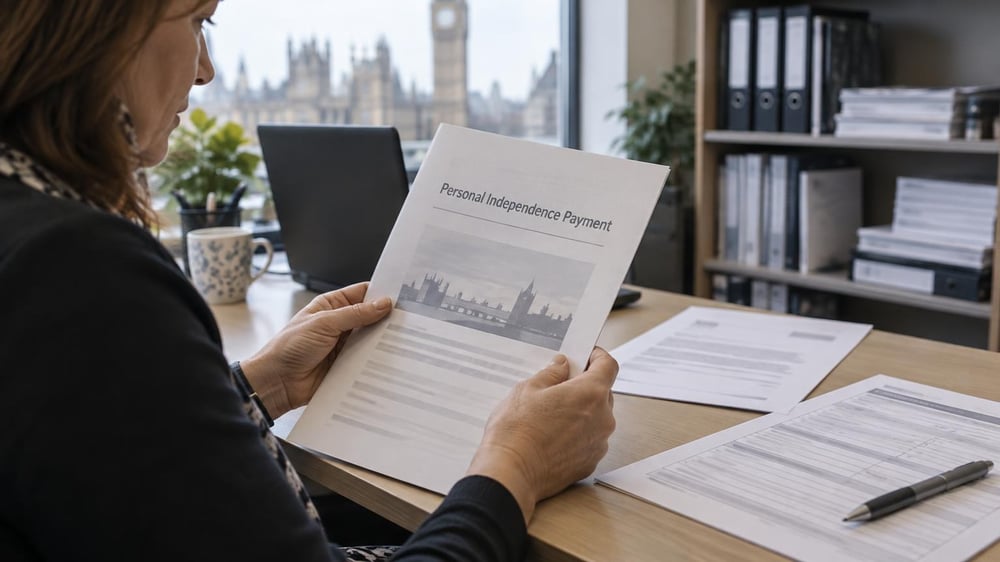
Sir Stephen Timms, the Labour MP for East Ham and Minister for Social Security and Disability, said the report of the review of Personal Independence Payment he co-chairs will be published before the end of the year. He made the statement in the House of Commons this week, in answer to a question from the Conservative MP Joe Robertson, as reported on 16 October 20261.
Robertson said the number of children aged six to 11 with attention deficit hyperactivity disorder has grown sixfold, and that this meant a surge in PIP applications as those children become adults. He asked whether it was time "to end a cash payments benefit system for people with more minor conditions" and to ensure those with genuine needs receive therapeutic support1. Timms replied that Robertson would have seen Professor Peter Fonagy's recent report on the incidence of ADHD, autism and other conditions, and set out the review's scope:
"I am co-chairing a review of PIP which is looking into how we can ensure that the system meets the very real needs of many disabled people"
He added: "The report of my review will be published before the end of the year"1. The Department for Work and Pensions published a co-chair update on the review on 9 September 2026, last updated on 11 September 2026, issued in the names of Sharon Brennan, Dr Clenton Farquharson CBE, Sir Stephen Timms and the Minister for Social Security and Disability2. That page lists an annex of "emerging recommendations" among its documents, but the text of those recommendations is not set out in the update page itself2.
The independent benefits guide Turn2us, in a timetable last reviewed on 23 December 2025, listed the Timms Review as expected to be published in October 2026, "outlining future changes to PIP"3. Timms's statement that the report will appear before the end of the year is later and less specific than that listing; no exact publication date has been reported3.
Separately, the Tony Blair Institute for Global Change has published proposals under which under-25s with non-work-limiting health conditions such as anxiety and depression would no longer receive cash benefits from PIP or Universal Credit, with funds redirected into mental health support, skills training and job placements1. These are the institute's proposals, not government policy. In the same Commons exchange, Timms was asked by Labour's Deirdre Costigan about a Good Growth Foundation finding that 50% of disability claimants would swap up to £1,000 of benefits for help such as employment support, therapy and physical aids. He said he agreed that tailored support could reduce the welfare bill and stop people being written off, and cited early results from the Connect to Work programme1.
Why it matters for households
PIP is a cash benefit paid to people with health conditions or disabilities that affect their daily living or mobility, and the review covers how the system meets disabled people's needs and how the benefit is put on a "sustainable financial footing for the future"1. Anyone currently claiming PIP, or considering a claim, is affected only once decisions are made: the report is due before the end of the year, and no changes to entitlement, rates or assessment rules have been announced in these statements1. The review's interim update of September 2026 refers to an annex on "improvements to the current benefit" and one on "principles of a reformed benefit", indicating that recommendations may cover both the existing payment and a possible replacement design, but the substance has not been reported here2. The TBI proposals would affect under-25s with certain conditions if adopted; they have not been adopted1.
What happens next
The review report is to be published before the end of 20261. Turn2us had listed October 2026 as the expected month3. The DWP update page says an Easy Read version of the September letter was delayed and was added on 11 September 2026, and gives pip.review@dwp.gov.uk for alternative formats2.

 Turn2usFree benefits calculator and grants search from a charity
 Citizens AdviceFree advice on money, consumer and legal problems in England and Wales
 GOV.UKOfficial information on tax, benefits and government services
 MoneyHelperFree, impartial money and pensions guidance, set up by government